Bathing is not merely about cleaning the body. In many cultures, it is treated as something closer to sacred: a deliberate pause, designed to pull the mind away from the noise of daily life.
Warm water serves as the medium, but the true purpose is not physical hygiene. What is sought is inner stillness.
What makes this particularly interesting is that the practice is not confined to a single region. From Japan to Mexico, from Iceland to Turkey, communities across the world have developed their own bathing rituals that share one common thread: the belief that water holds the ability to restore balance to the mind.
So what is it about bathing rituals that makes them so effective at calming the mind? And how can you experience this tradition without having to travel far?
Read on for the full picture.
Also Read: Benefits of Soaking After a Demanding Day
Bathing Traditions from Cultures Around the World
Every culture has its own unique way of practising the bathing ritual.
Although they differ in technique and setting, the thread that connects them all is a shared focus on stillness, awareness, and the gradual release of tension.
Here are some of the most well-known traditions:
1. Onsen in Japan
In Japan, onsen is not simply a recreational activity. It is part of a philosophy of living that values calm and full presence in every moment.
The process begins well before the body touches water. Visitors first wash themselves at a low stool with soap and water, as a form of respect for the shared space and as mental preparation for the next stage.
Only after cleansing do they lower their body into the mineral-rich warm water. The atmosphere is quiet, free from loud conversation or interruption.
In Japanese culture, the act of washing before soaking is not just about hygiene. It is a way of symbolically shedding mental burdens before entering the relaxation stage.
The onsen tradition teaches that true calm requires preparation and full presence, not simply sitting still in water.
2. Hamam in Turkey
The hamam tradition, rooted in the Ottoman Empire era, takes a different approach. Visitors move through several rooms with gradually increasing temperatures, from warm to hot, before receiving a full-body exfoliation and a light massage with soap lather.
This step-by-step progression is designed not only to cleanse the skin but also to release mental tension layer by layer. Each transition between rooms gives the body time to adapt and the mind time to slow further.
3. Geothermal Pools in Iceland
Iceland has long harnessed the volcanic energy beneath its surface to create natural pools that stay warm year-round.
What makes this tradition especially unique is the surrounding environment: locals soak in the midst of cold air, even while snow is falling, allowing the contrast between the warmth of the water and the chill of the air to produce a profoundly calming effect.
For Icelandic communities, geothermal pools serve as both social spaces and spaces of stillness, a place to shed fatigue during the long winter months.
4. Temazcal in Mexico
The temazcal tradition from Mexico takes a more ritualistic approach.
Inside a dome-shaped structure made of stone or clay, volcanic rocks are heated until they produce steam. A guide then pours water infused with aromatic herbs such as eucalyptus over the hot stones while leading traditional chants.
This distinctive experience combines elements of heat, scent, and sound to create a mental state that is calmer and more open. For the local communities, temazcal is a process of inner renewal, not merely relaxation.
Different Rituals, Same Underlying Principle
Despite their differences in technique, one principle underpins every tradition described above: bathing is not an activity done in passing.
Every ritual, from Japan, Turkey, through to Mexico, has its own stages. There is preparation (washing the body, moving between rooms, regulating the breath), followed by the main experience (immersing the body in water or steam), and concluded with a period of rest to allow the body to return to its normal state.
It is this structure that sets a bathing ritual apart from simply running a warm bath at home.
When there is structure and intentionality throughout the process, the mind receives a signal to slow down along with it. You do not simply “get in the water.” You prepare yourself, regulate your breathing, and give the body time to transition from busyness to calm.
This transitional process is the element most often missing from modern routines, and it is arguably the most important part of the entire bathing experience across every culture.
Also Read: When Is the Best Time to Soak in an Onsen?
Experience a Japanese Bathing Ritual at Onsei
You do not need to fly to Japan, Turkey, or Iceland to experience the calm that a bathing ritual offers.
At Onsei, the philosophy of mindful bathing in the Japanese tradition is brought to life through a private onsen experience with a handcrafted teak wood tub that retains warmth naturally.
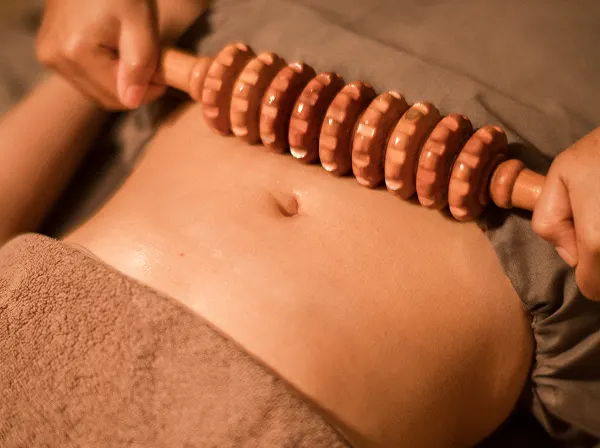
The Onsei Flow Ritual combines the Onsei Flow Massage with the Signature Onsen Bath in a single sequence designed to unfold gradually: the body is first relaxed through massage, and only then does it enter the warmth of the onsen.
The order mirrors the stages found in the traditions described above, with thorough preparation before reaching the main moment of calm. Starting from 90 minutes, you can savour the time to truly slow down and let the mind settle.
Visit Onsei in Tebet, Bintaro, or Gading Serpong. Open daily from 08.00 to 22.00.