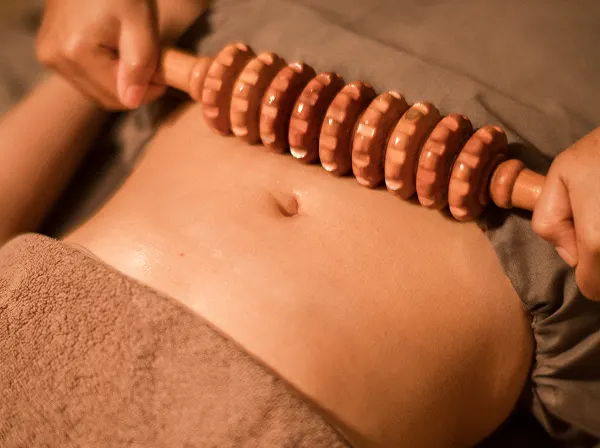
The term “self-care” is often associated with occasional activities: an end-of-weekend soak, a spa day during the holidays, or booking a massage when your body is already aching all over.
As far as practice goes, there is nothing wrong with that approach. But it does make your self-care routine tend toward the reactive, something you only do after your body has already started complaining.
There is a philosophy from Japan that offers a different perspective on looking after yourself: ikigai. The concept is not about momentary relaxation, but about building a framework for living that makes you want to take care of yourself consistently, not out of obligation.
This article explores what ikigai is, how it connects to self-care, and how to use it as a framework for building a sustainable routine.
Read on for the full breakdown.
Read Also: The Differences Between Onsen, Ofuro, and Sento in Japanese Culture
What Is Ikigai, and Why Is It Often Misunderstood?
Ikigai (生き甲斐) literally means “a reason for living” or “a reason to get up in the morning.” The concept originates from Japanese culture and is frequently linked to the residents of Okinawa, who are known for their longevity.
In mainstream media, ikigai is often depicted as a four-circle Venn diagram:
- What you love.
- What you are good at.
- What the world needs.
- What you can be paid for.
While these four dimensions are useful as a reflective tool, the original understanding of ikigai in Japan is actually far simpler.
For the Japanese, ikigai does not have to be a grand mission or an ambitious life purpose. Ikigai can be found in small, everyday things: enjoying a cup of tea in the morning, tending to your plants, or taking an afternoon walk in a nearby park.
What matters most is that the activity gives you enough sense of meaning to look forward to tomorrow.
Ikigai as a Framework for Your Self-Care Routine
The link between ikigai and self-care rests on one simple principle: consistency matters more than intensity.
1. From Reactive to Proactive
Without ikigai, your self-care tends to be reactive. You only soak when your body is already stiff, only rest when you are on the brink of burnout, and only pay attention to your diet when health issues have already surfaced.
It is like only taking your car to the mechanic after it has already broken down, rather than keeping up with regular servicing.
Ikigai encourages a more proactive approach to looking after yourself. When you find a self-care activity that gives you a sense of meaning (not just one you feel you “should” do), that activity becomes much easier to maintain consistently. A warm soak, for instance, stops being a “reward after hard work” and becomes a part of your routine that you genuinely look forward to.
2. Appreciating Every Achievement, No Matter How Small
One of the most relevant ikigai principles for self-care is the appreciation of small achievements.
In Okinawan culture, this principle is embodied in habits like waking up calmly in the morning, eating in moderation (hara hachi bu), and setting aside time for light socialising each day.
Applied to self-care, this principle means choosing routines you can enjoy without pressure. Rather than targeting one lavish spa session per month, it may be more sustainable to have a small weekly ritual that you truly look forward to.
How to Find Ikigai in Your Self-Care Routine
Finding ikigai in the context of self-care does not require an elaborate process of self-reflection. A few simple questions can help:
First, ask yourself: which self-care activity has ever made me feel truly “recharged,” not just “done”? The answer varies from person to person. For some, it is a warm soak. For others, it might be a 30-minute walk without their phone.
Second, notice the patterns. Activities that consistently leave you feeling calmer, lighter, or more ready to face the next day are likely close to your ikigai in the context of self-care.
Third, let go of the urge to be productive at all times. Self-care rooted in ikigai does not have to produce a tangible outcome. You do not need to “get a health benefit” from every session. Simply enjoy the process, and let the benefits follow as a side effect of consistency.
Also Read: Japanese Lifestyle Inspirations for Maintaining Physical and Mental Health
Start a More Meaningful Self-Care Routine at Onsei
Building a consistent self-care routine starts with finding one activity you look forward to, then making it part of your weekly rhythm.
The Onsei Flow Massage is designed as a treatment session that is easy to integrate into a routine thanks to its manageable duration. The gentle, rhythmic massage pressure helps the body return to a relaxed state without requiring a major time commitment, making it a fitting starting point for a sustainable self-care routine.
Interested in making your self-care more meaningful? Visit Onsei at our Tebet, Bintaro, or Gading Serpong locations. Book your visit through this link.